


Cost of Vapor Barrier Installation in Petersburg, IL
Vapor barrier installation in Petersburg, IL, typically involves the placement of a moisture-resistant membrane beneath flooring or within wall assemblies to prevent water vapor migration. The overall cost can vary based on the size of the area, the type of materials selected, and the complexity of the site conditions. Factors such as existing structures and accessibility may also influence the final price of the project.
When estimating vapor barrier installation costs, it is important to consider that prices are affected by the scope of work, material choices, and labor requirements. Since site-specific conditions can impact installation processes, final pricing will differ accordingly. Comparing options and understanding the potential variables can help in planning a budget for this service in Petersburg, IL.
Price Range for Vapor Barriers

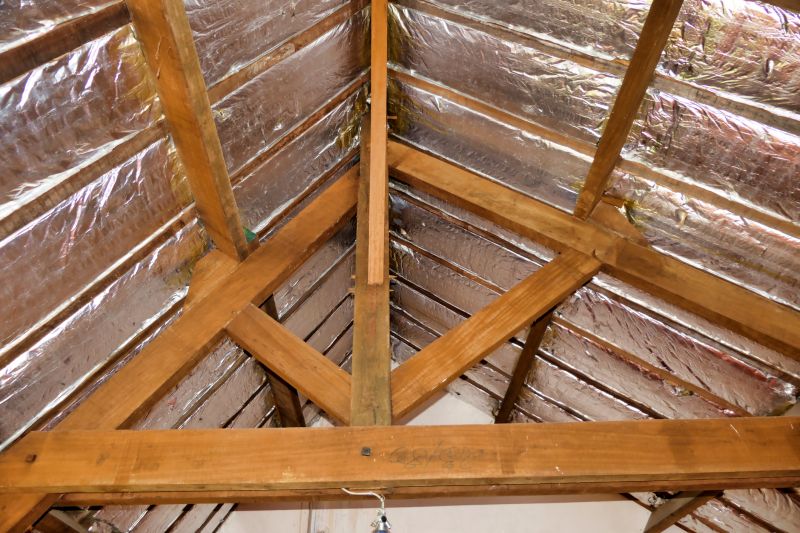
Factors Affecting Cost
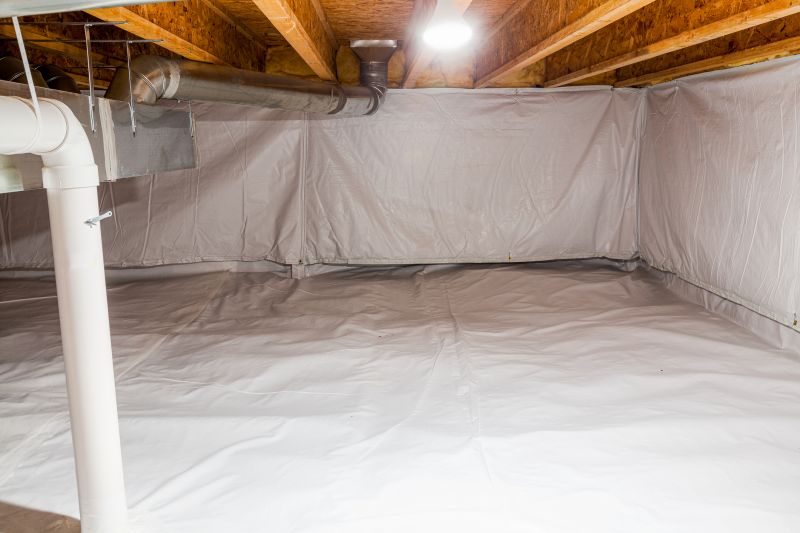
Vapor barrier installation is a common step in construction and renovation projects in Petersburg, IL, particularly for basements, crawl spaces, and flooring systems. Proper installation helps control moisture and prevent issues related to mold and structural damage. Understanding typical project considerations can assist in planning and budgeting for vapor barrier work.
- Materials: Common vapor barrier materials include polyethylene sheets, typically 6-mil or thicker, suitable for residential applications in Petersburg.
- Size and Scope: Projects vary from small crawl space sections to extensive basement areas, often requiring custom sizing and overlaps to ensure full coverage.
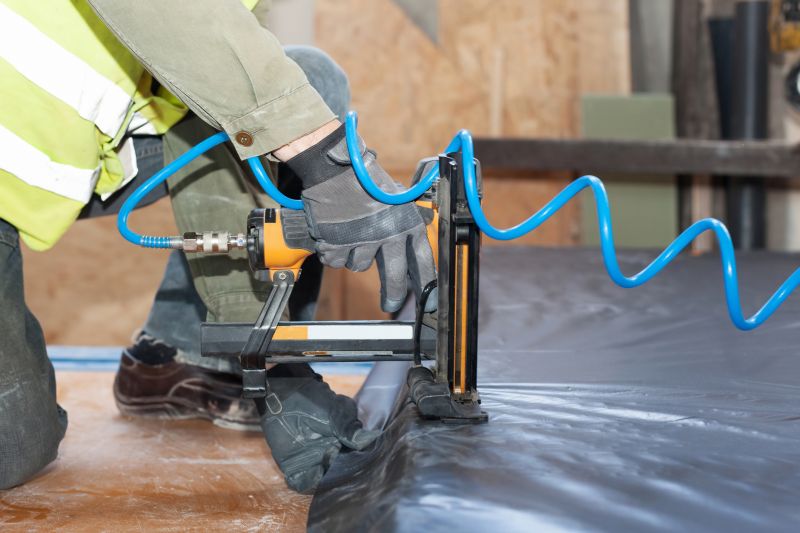
- Labor Complexity: Installation generally involves preparing the surface, laying out the barrier, and sealing seams, which can range from straightforward to moderately complex depending on space accessibility.
- Permitting: Local building codes in Petersburg may require permits for vapor barrier installation, especially in new construction or major renovations.
- Additional Options: Some projects include additional moisture control measures such as insulation, sealing vents, or installing drainage systems for enhanced effectiveness.
